As 2025 winds down, many facility managers are already planning for the year ahead, and HVAC is taking a front seat. With rising energy costs, evolving indoor air quality standards, and a growing push toward sustainability, HVAC systems are no longer just background infrastructure, they’re central to building performance, safety, and long-term cost control. Here are five HVAC trends for 2026. The trends facility teams should be watching to learn how to stay ahead of them with the right planning, partners, and technology.
1. Smarter HVAC Systems with Real-Time Control
Building automation continues to evolve, and HVAC systems are at the center of that shift. In 2026, expect more systems to be equipped with smart sensors, real-time controls, and remote access. These technologies allow your team to monitor usage, adjust settings, and respond to issues quickly, often before occupants notice a problem.
Why it matters:
Smart systems help facilities reduce energy use, avoid downtime, and meet compliance benchmarks with minimal manual input.
2. Electrification and Low-Carbon Heating Solutions
With municipalities and institutions facing stricter carbon-reduction goals, the shift toward electrification is gaining momentum. More buildings are replacing traditional gas-fired systems with electric heat pumps or hybrid solutions that reduce emissions without sacrificing performance.
Why it matters:
Retrofits that prioritize electrification may qualify for funding or rebates, especially in public-sector projects. Planning now allows you to phase upgrades gradually instead of reacting under pressure.
3. Custom Fabrication for Complex Environments
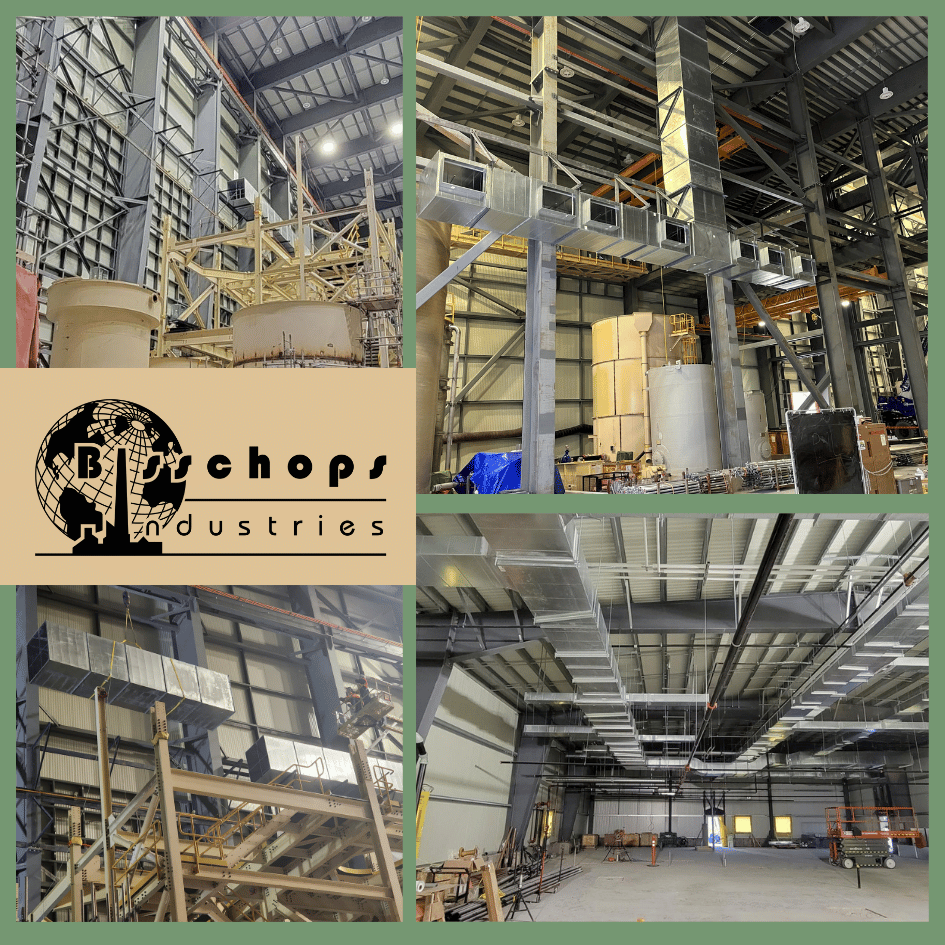
Off-the-shelf HVAC components still serve many applications, but they don’t always fit the unique needs of public buildings, institutional facilities, or aging infrastructure. In 2026, more facility managers are expected to rely on custom-fabricated components for better airflow, durability, and long-term performance.
Why it matters:
Custom solutions reduce inefficiencies, installation delays, and costly workarounds. They also allow for more precise control and improved zoning in multi-use buildings.
4. Demand for Preventative Maintenance Will Keep Growing
With more building systems running 24/7, preventative maintenance is becoming non-negotiable. Facility teams are moving away from reactive service calls and toward planned, data-informed maintenance programs that extend system life and control costs.
Why it matters:
Proactive service helps prevent mid-season failures, supports compliance, and allows better budget forecasting, especially in regulated environments like schools and LTCs.
5. Indoor Air Quality Remains a Long-Term Priority
The focus on air quality isn’t fading. If anything, expectations around HVAC’s role in ventilation, filtration, and humidity control are growing. Institutions in healthcare and education, in particular, will continue investing in systems that support healthier indoor environments.
Why it matters:
Better IAQ leads to improved occupant comfort, fewer complaints, and stronger alignment with health and safety standards. It also supports organizational credibility and public trust.
What Facility Managers Should Do Now
Planning for 2026 means making smart decisions today. If your systems are due for upgrades, now is the time to assess what’s working, and what’s not. Look for opportunities to:
- Modernize with smart controls
- Reduce emissions through electrification
- Improve efficiency with custom-fabricated solutions
- Build long-term value with reliable service partnerships
At Bisschops, we’re here to help you stay ahead, no matter the season or system.
Ready to align your strategy with the HVAC trends for 2026?
Talk to Bisschops about smart, sustainable, and service-driven solutions built for Northern Ontario.